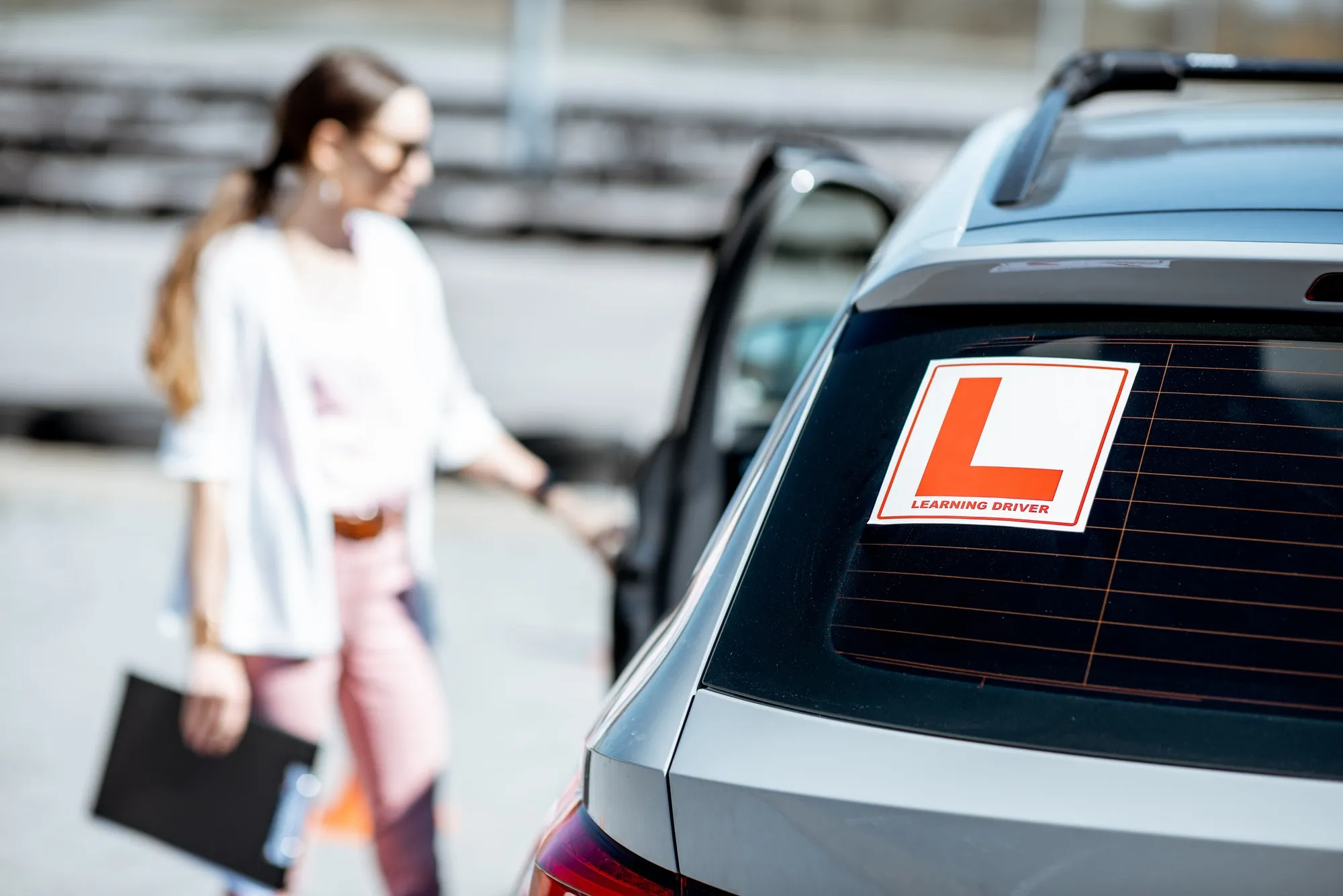
Lessons with an instructor are the backbone of learning to drive, but many learners in the UK also practise with a parent, partner or friend between lessons. Done well, private practice turns new skills into habits and gets you used to a wider range of roads and conditions. Done badly, it can undo good habits and leave everyone in the car a little frayed. This guide covers what the law expects, how to prepare, and how to make each session count.
Who can supervise you
Not everyone with a licence can sit beside a learner. Your supervising driver must be at least 21 years old, must be qualified to drive the type of vehicle you are learning in (for example, a manual car if you are learning in a manual), and must have held a full driving licence for at least three years. They also need to be fit to supervise: alert, sober and paying attention to the road rather than a phone.
Only an approved driving instructor can charge for lessons, so a friend or relative should not ask to be paid for supervising you. And while learners can now drive on motorways, that is only with an approved instructor in a car with dual controls, as we explain in our guide to first-time motorway driving. Private practice stays on other roads.
Getting the car and paperwork ready
Before the first session, check the basics. You need a valid provisional licence, and you must be insured to drive the car as a learner, either on the owner's policy or with separate learner driver insurance. The car must be roadworthy, taxed and have a valid MOT if it needs one. L plates must be displayed clearly on the front and back of the car (in Wales you can use D plates instead), and they should come off when a qualified driver is using the car on their own.
If you are unsure about any of the licence rules, our page on the UK learners licence walks through them step by step. It is worth sorting all of this out in advance so that nothing spoils the first drive.
Working with your instructor, not around them
The most useful private practice builds on what you are doing in lessons. Ask your instructor what to work on before your next lesson, and tell them how your practice sessions went. If your instructor teaches a particular routine for moving off or approaching junctions, explain it to your supervisor before you set off, so you are not being pulled between two different methods.
Supervisors who passed their own test many years ago may have picked up habits of their own, such as crossing hands on the wheel, coasting to a stop or skipping observations. None of that makes them bad drivers, but it can confuse a learner. A quick conversation before you start, ideally using your lesson notes or the driving lesson guide, keeps everyone on the same page.
Planning sessions that actually help
Short, focused sessions usually work better than long, aimless drives. Pick one or two goals for each outing, such as smooth gear changes, roundabouts, or a manoeuvre you have already been taught. Start somewhere quiet, then build up to busier roads as your confidence grows.
Variety matters too. Once you can handle the basics, try driving at different times of day, in light rain, on rural roads and through town traffic. These are the situations that lessons alone may not cover in depth, and experiencing them with a calm supervisor beside you is exactly what private practice is for. Avoid trying to learn anything brand new without your instructor, especially manoeuvres you have never been shown.
Keeping it calm in the car
Driving with a family member can be more stressful than driving with a professional, simply because there is more history in the car. Agree in advance how instructions will be given: clear and early ("take the next left") rather than sudden or shouted. If something goes wrong, pull over somewhere safe and talk about it once you have stopped, not while you are still moving.
Supervisors should keep their comments focused on the drive and save longer feedback for afterwards. Learners, for their part, should remember that the person beside them is giving up their time to help. A short chat at the end of each session about what went well and what to work on next keeps things positive and gives you something to tell your instructor.
Final thoughts
Private practice is not a replacement for professional lessons, but it is a valuable way to build experience between them. Make sure your supervisor qualifies, the car and insurance are in order, and your sessions follow what your instructor is teaching. With a bit of planning and patience on both sides, those extra hours on the road can make a real difference by the time you sit your test.